Overview
An innovative augmented reality (AR) application designed to enhance understanding and empathy for children with autism.
The Team
Jianan Johanna LIU
Project Lead & Developer
Yuqi Song
Co-creator
Danlin Huang
Co-creator
AusVision Breakdown
Inspiration
Effect
Original Effect



Trigger Effect

Key Features
Attention Distraction
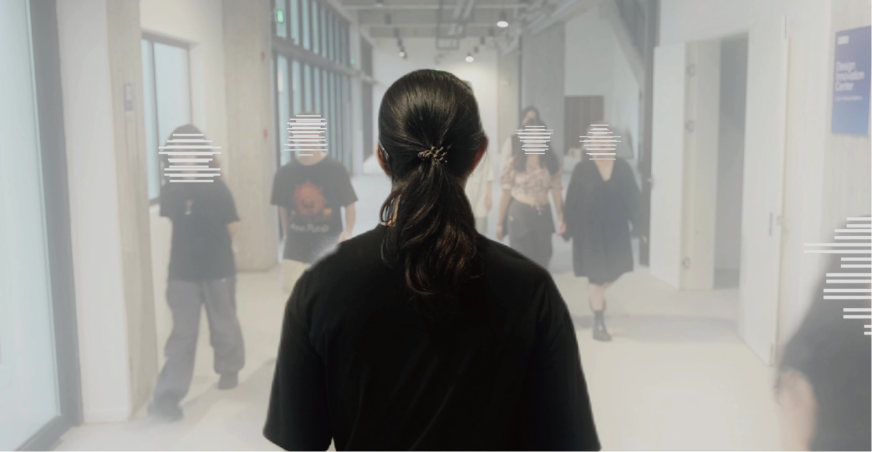
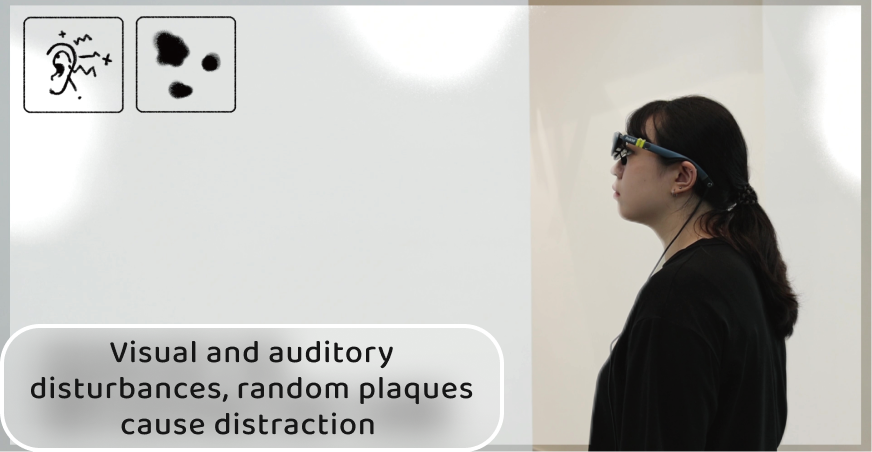
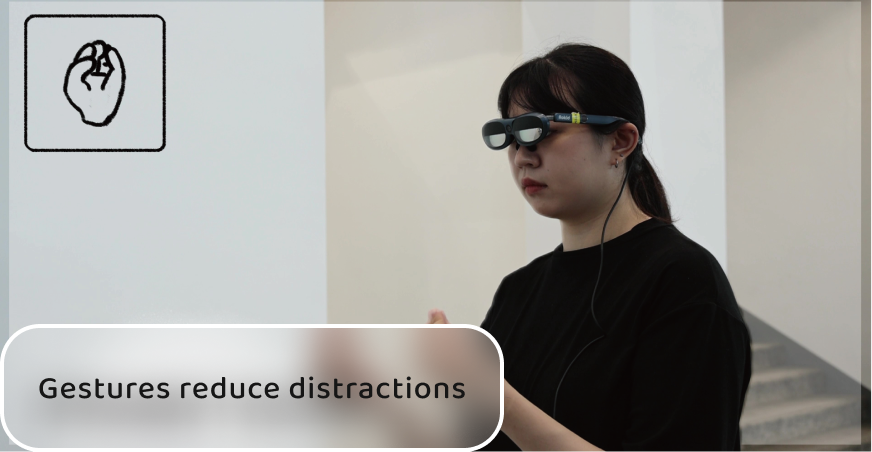
In the world of children with autism, maintaining attention is highly challenging. Our AR application realistically simulates the state of attention distraction that autistic children often experience by introducing randomly moving bright spots in the visual field. These spots appear, disappear, and move unpredictably in space, disrupting the visual focus and allowing users to experience the difficulty of staying concentrated.
Noise Interference
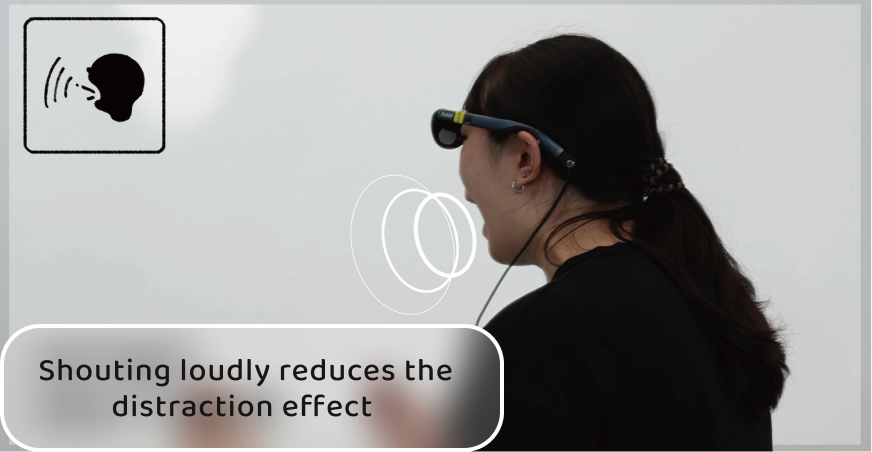
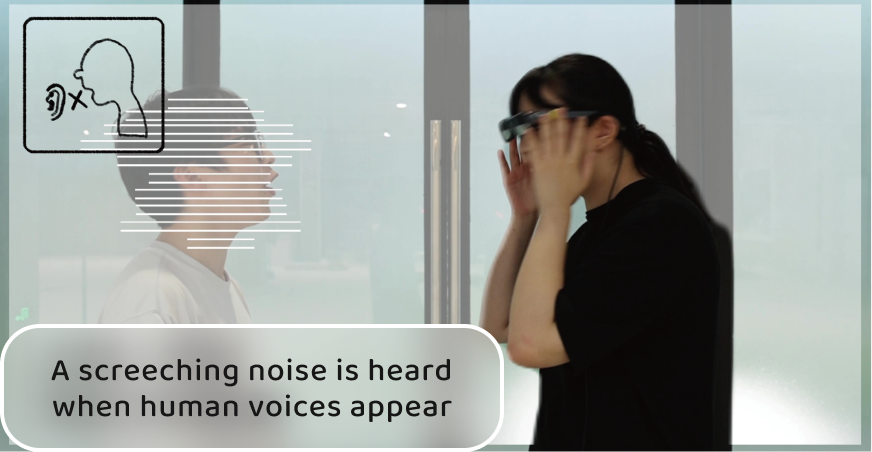
Children with autism are often hypersensitive to sounds, and background noise can cause them significant distress. To recreate this experience, the AR application continuously plays various noises, such as white noise and static, disrupting the user’s auditory experience. This noise interference helps users directly feel the discomfort and anxiety that autistic children experience in noisy environments, providing a better understanding of why they might exhibit avoidance or unease in social and communicative situations.
Stereotyped Movements
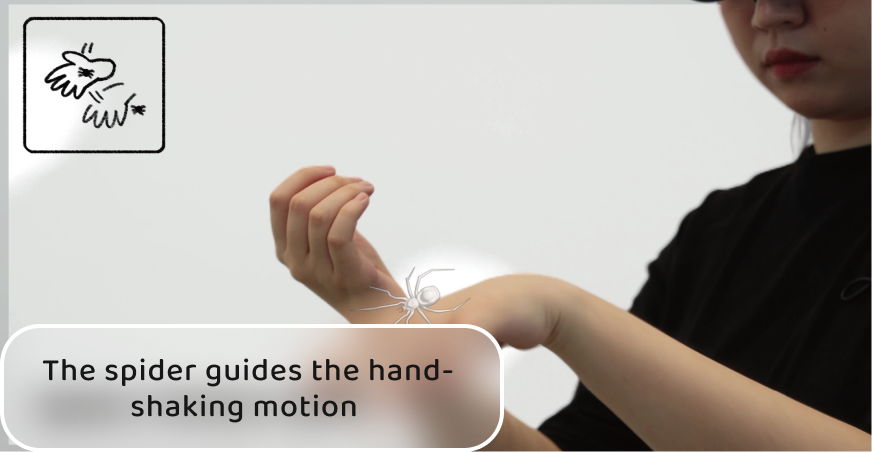
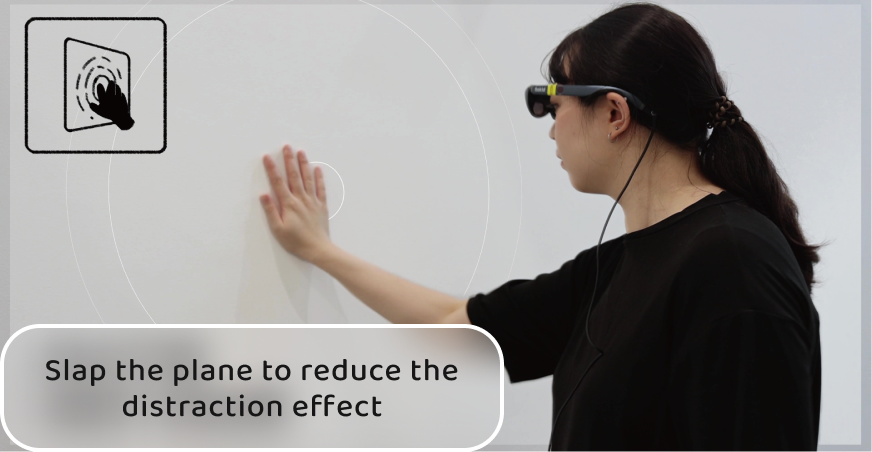
Research indicates that children with autism engage in a series of stereotyped behaviors because they find it helps alleviate psychological discomfort. To help users understand this, we designed an interactive feature where, when the AR system detects the user making a hand-flapping gesture, the application reduces the intensity of the negative visual and auditory stimuli. This design simulates the process by which autistic children use repetitive behaviors, such as hand-flapping or tapping, to relieve stress when they feel anxious or uncomfortable.
Butterfly Hands
Hand-flapping, also known as "butterfly hands," is one of the common stereotyped behaviors among children with autism. To simulate this phenomenon, the AR application generates virtual spiders on the user’s hand. When the user rapidly shakes their hand (mimicking the hand-flapping motion), the spiders are shaken off, and the disturbing visual and auditory effects in the environment subside. This interaction metaphorically conveys how stereotyped behaviors serve as a coping mechanism for autistic children to manage sensory overload.